Montana Starts Here

Sacred Land, Lasting Legacy
In Montana's Big Horn Country, the vast, sacred landscape and resilient communities shape the region: wide-open, welcoming, and overflowing with cultural heritage and deep pride. Beneath night skies alive with stars, rivers run free, and the grasslands stretch toward every horizon, carrying the timeless rhythms of ancestry, tradition, farming, ranching, and wildlife.
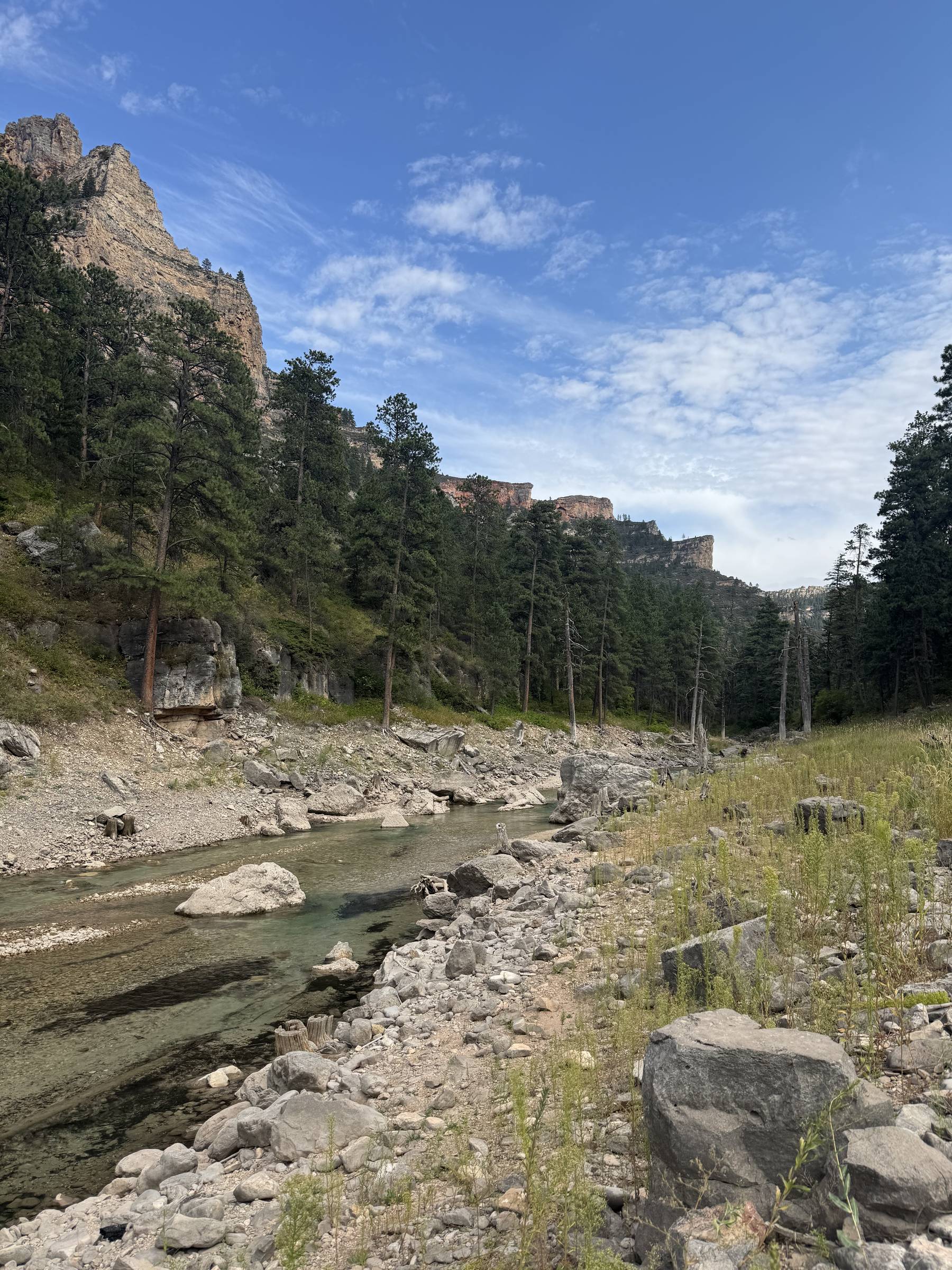
This is a place for discovery, filled with heart and respect, where you can trace ancient paths, stalk trout in the world-renowned Bighorn River, hunt through rugged canyons and sprawling country, or stand silent at iconic historical sites such as the Little Bighorn Battlefield.
Here, one feels the legacy of the Crow and Northern Cheyenne Tribes, ranchers, farmers, and land stewards, all while engaging new seasons of connection, renewal, and outdoor adventure.
Here, one feels the legacy of the Crow and Northern Cheyenne Tribes, ranchers, farmers, and land stewards, all while engaging new seasons of connection, renewal, and outdoor adventure.

Bighorn Canyon & River

Bighorn Canyon National Recreation Area
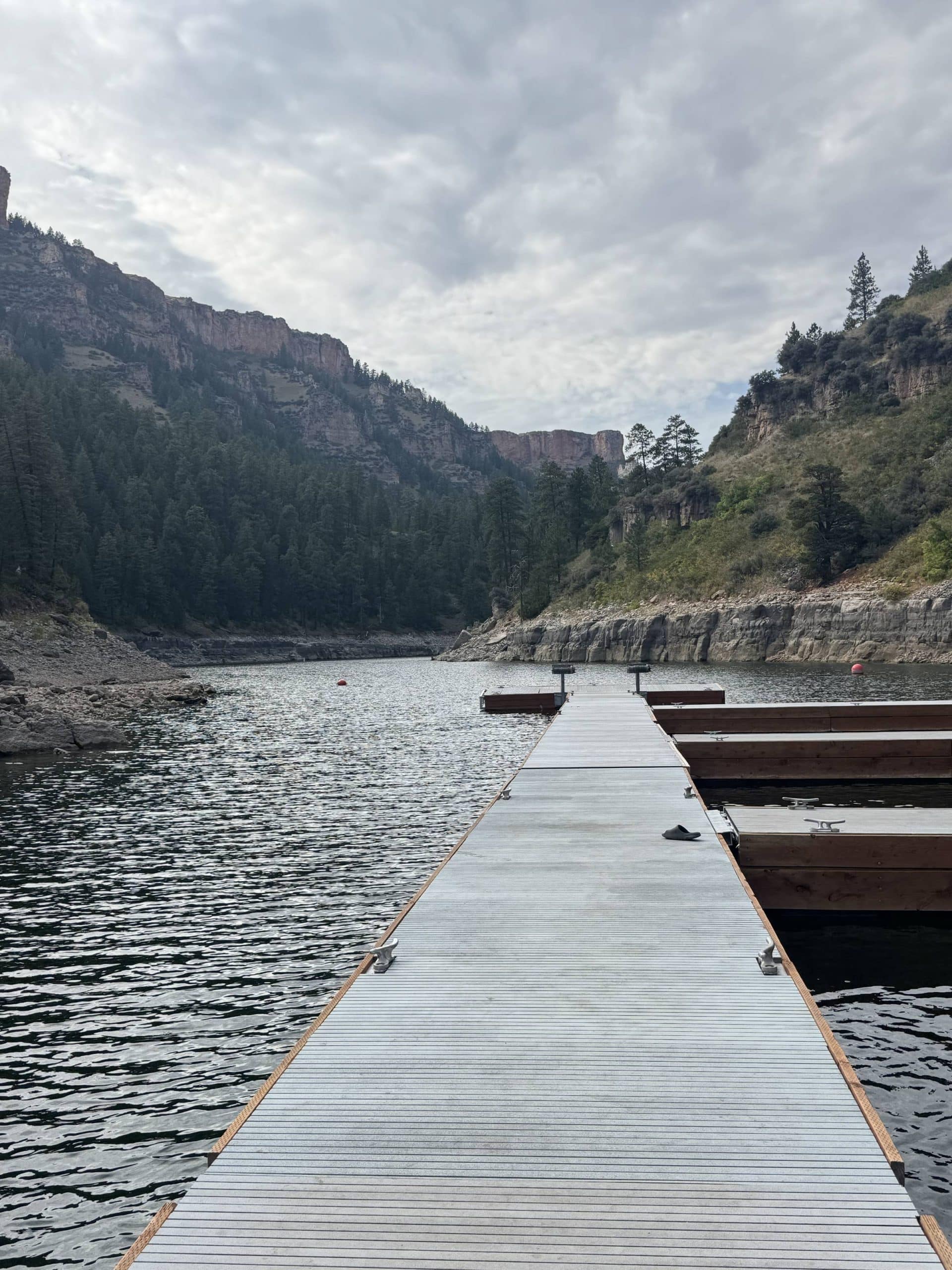
The expansive Bighorn Canyon National Recreation Area extends across the Wyoming-Montana border. The Montana side centers on the North District near Fort Smith, where attractions include the Yellowtail Dam Visitor Center, part of Bighorn Lake, and Ok-A-Beh Marina. Popular activities in Bighorn Canyon include fishing, camping, hiking, and boating.
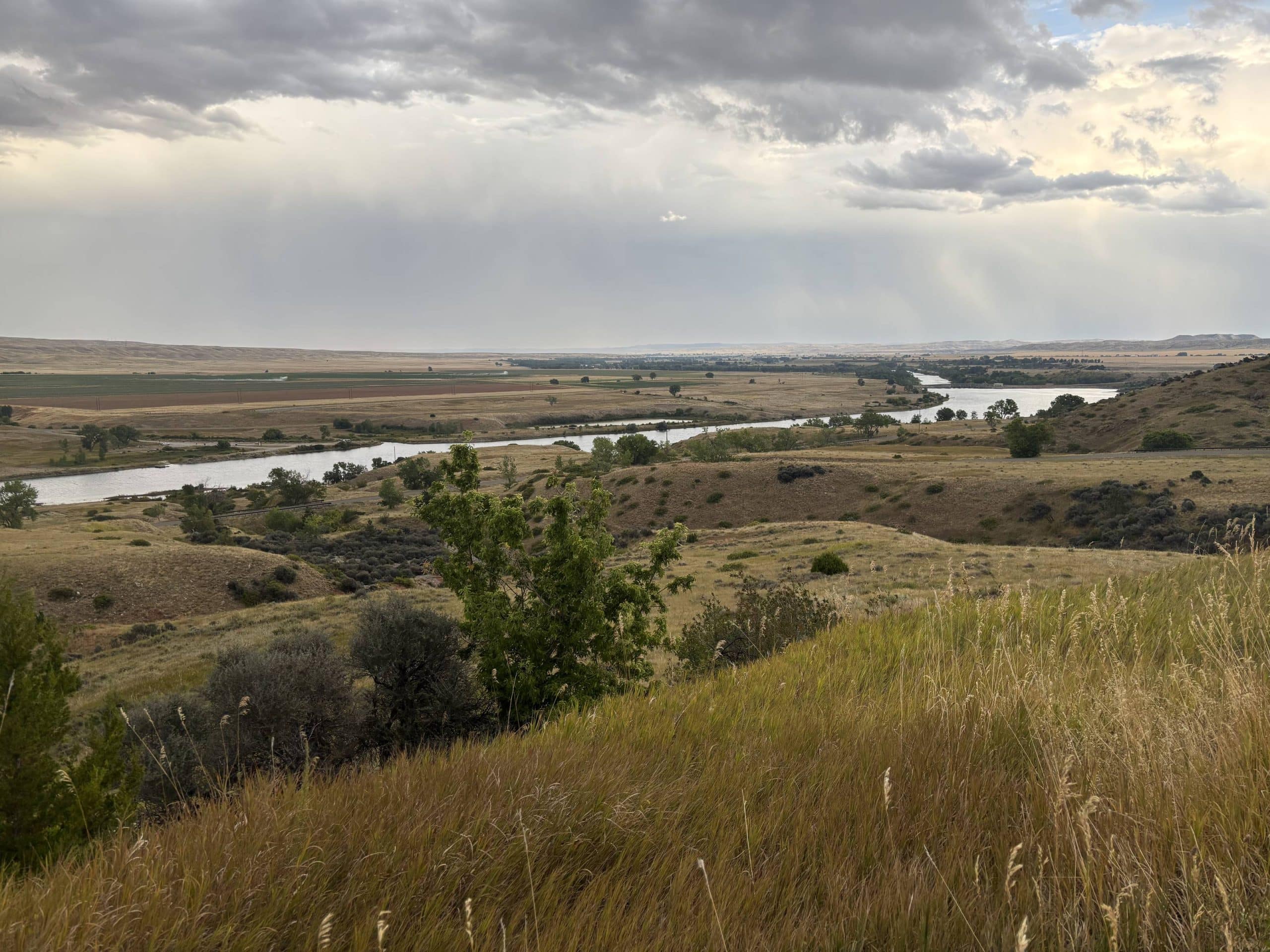
bighorn river
The Bighorn River winds through Montana's Big Horn Country as one of the state's most recognized blue-ribbon trout fisheries, though the river offers far more than exceptional fishing. Tree-lined banks, blue skies, and sweeping prairie create a shifting, soothing scene beside every bend in the river.
Spend the day fly fishing, floating calm stretches by boat, spotting wildlife along the shoreline, or simply slowing down beside the water as the current flows across the valley. The Bighorn carries both adventure and stillness, shaping the rhythm of the surrounding communities and the land itself.
Spend the day fly fishing, floating calm stretches by boat, spotting wildlife along the shoreline, or simply slowing down beside the water as the current flows across the valley. The Bighorn carries both adventure and stillness, shaping the rhythm of the surrounding communities and the land itself.
National Monuments
Little Bighorn Battlefield National Monument
At Little Bighorn Battlefield National Monument, history rises directly from the prairie as the terrain holds memory in every direction. Wind moves through the grasslands much as it did in 1876, when Lakota, Northern Cheyenne, and Arapaho warriors faced the U.S. Army's 7th Cavalry Regiment and their Arikara and Crow scouts along these ridges and ravines. The battlefield stretches wide beneath Montana skies, creating a setting that feels both solemn and immense.
Drive the self-guided tour road, see white marble and red speckled granite markers across the scene, and visit the Indian Memorial that recognizes the sacrifices made by all tribes involved. Hold still and feel how their enduring presence remains central to the landscape.
Drive the self-guided tour road, see white marble and red speckled granite markers across the scene, and visit the Indian Memorial that recognizes the sacrifices made by all tribes involved. Hold still and feel how their enduring presence remains central to the landscape.

Pompeys Pillar National Monument
Pompeys Pillar National Monument overlooks the Yellowstone River as a historic sandstone butte. Here, stand in awe as you view history etched directly into stone. A short trail and boardwalk lead you to the top of the pillar, revealing wide-ranging views.
The site is known for a large number of petroglyphs, other markings, and William Clark's 1806 signature, still visible on the rock from the Lewis and Clark Expedition. Explore the visitor center, enjoy the beautiful grounds, and soak in this timeless setting.
The site is known for a large number of petroglyphs, other markings, and William Clark's 1806 signature, still visible on the rock from the Lewis and Clark Expedition. Explore the visitor center, enjoy the beautiful grounds, and soak in this timeless setting.
State parks
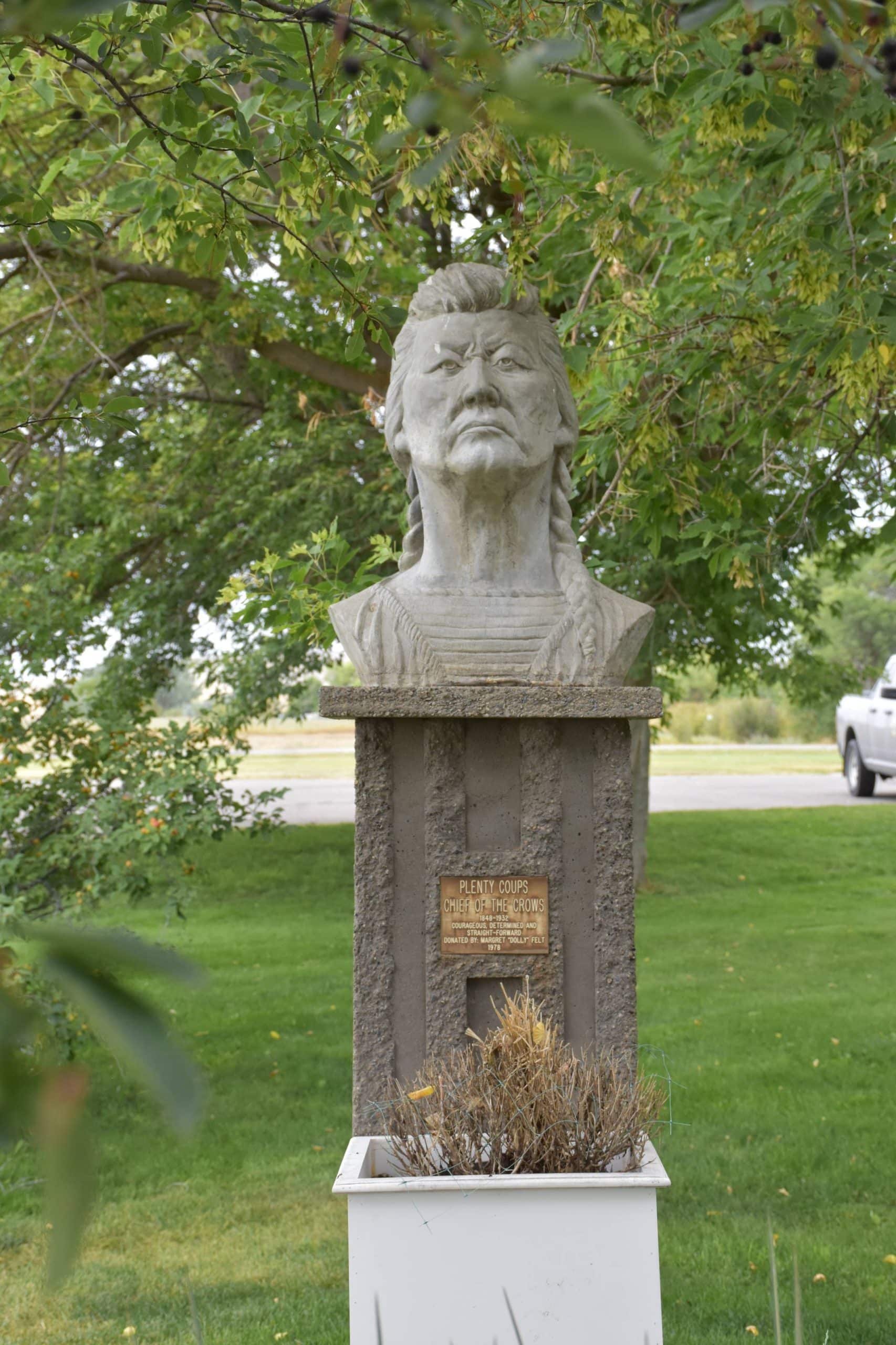
Chief Plenty Coups State Park
Chief Plenty Coups State Park preserves the home, farmstead, and sacred spring of Chief Plenty Coups, the last traditional chief of the Crow Nation. He is remembered for his profound wisdom, courage, and vision during a period of immense change. You can tour the chief's log home, walk a scenic trail along Pryor Creek, fish, hike, bird watch, and explore exhibits focused on Crow history and culture.
The park also hosts the annual Day of Honor, a gathering comprised of dancing, drumming, speakers, and food in recognition of Chief Plenty Coups' enduring legacy and the continuing strength of the Crow Nation.
The park also hosts the annual Day of Honor, a gathering comprised of dancing, drumming, speakers, and food in recognition of Chief Plenty Coups' enduring legacy and the continuing strength of the Crow Nation.
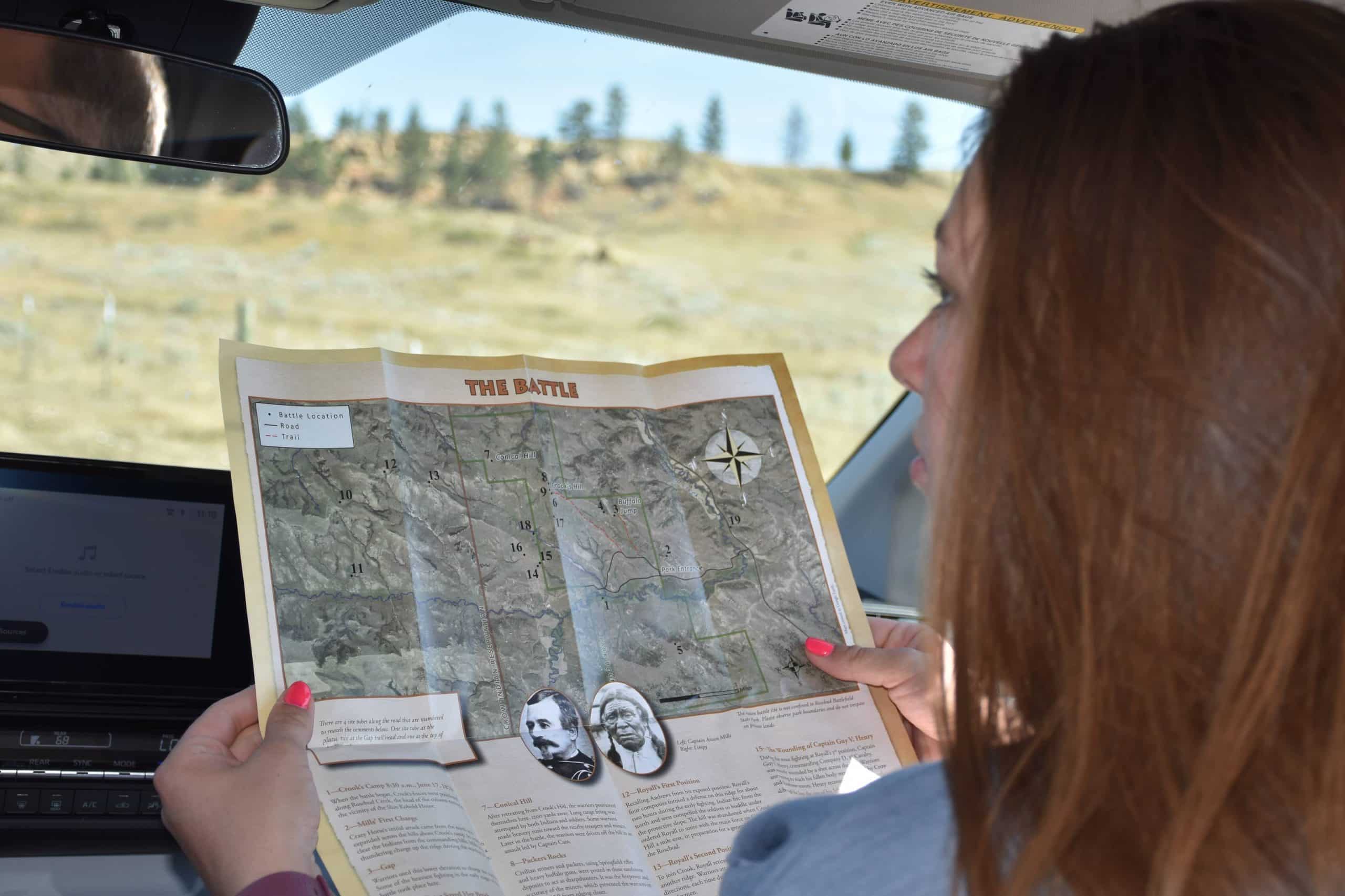
Rosebud Battlefield State Park
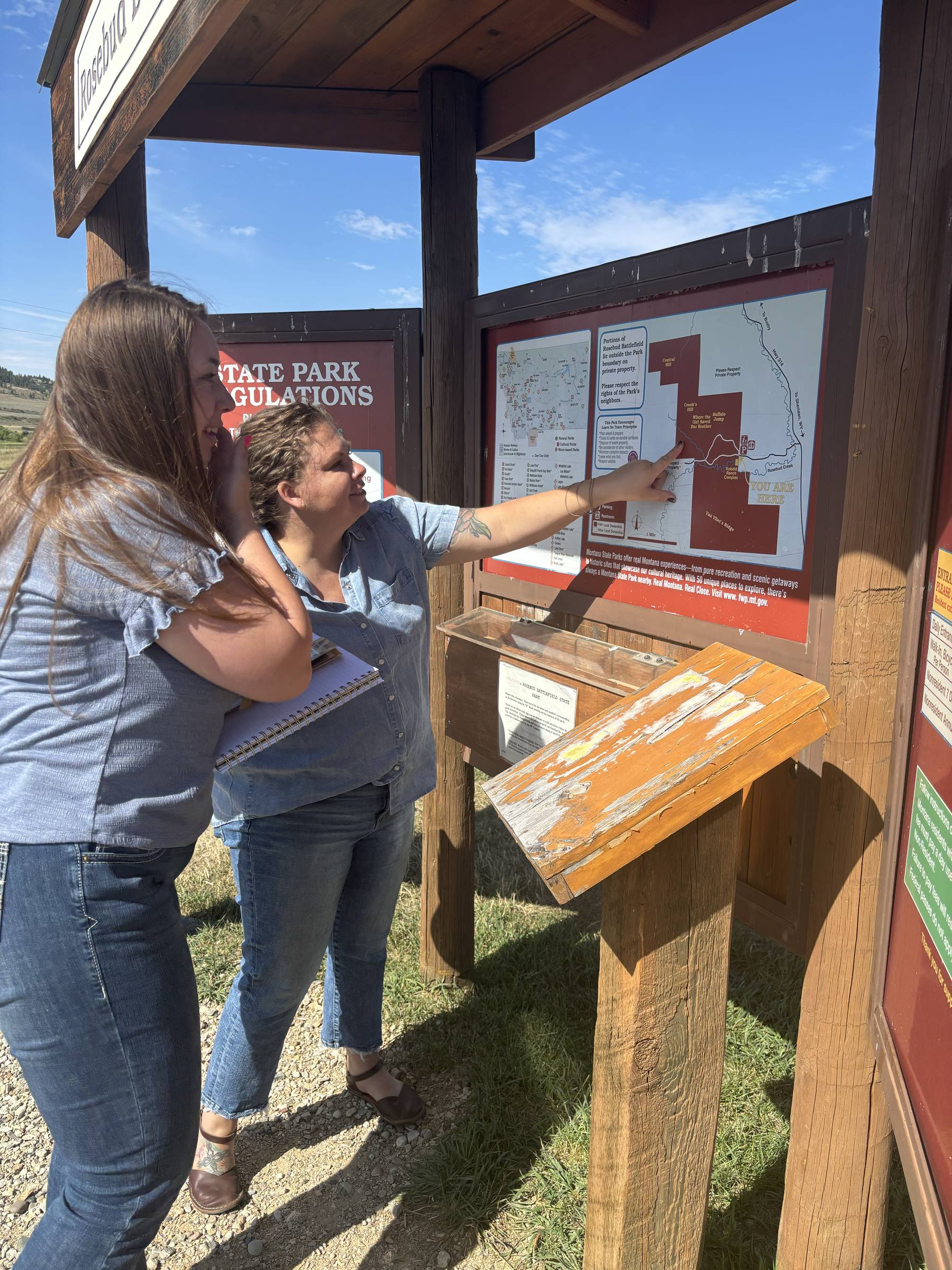
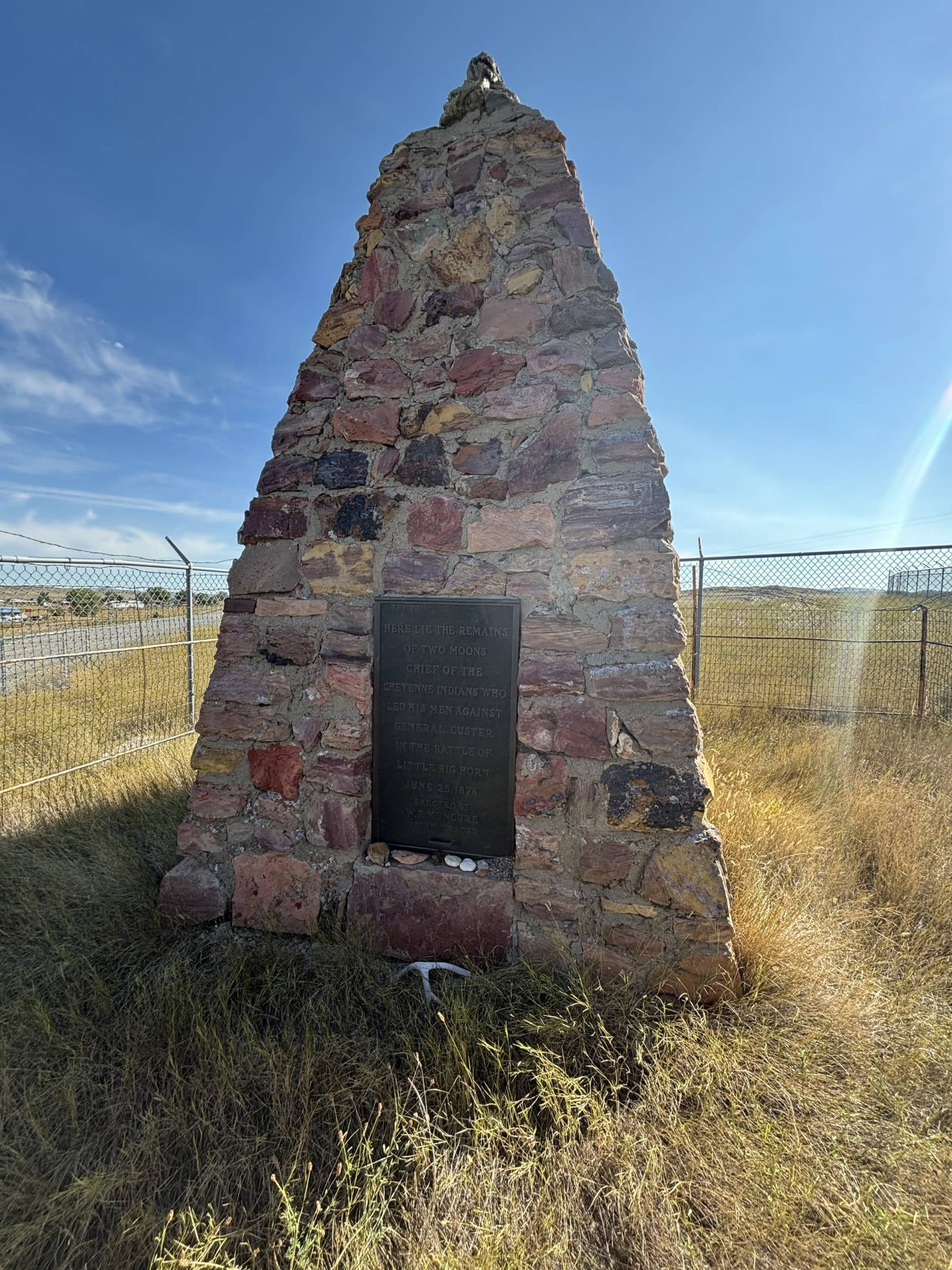
Rosebud Battlefield State Park honors the site of the 1876 Battle of the Rosebud, which was a precursor to the Battle of the Little Bighorn. Rolling grasslands and ridges frame the site where Lakota and Northern Cheyenne warriors led by Crazy Horse, Two Moon, Young Two Moon, and Spotted Wolf launched a major attack against Brigadier General George Crook, his U.S. Army forces, and Crow and Shoshone scouts. Known to the Northern Cheyenne as “Where the Girl Saved Her Brother,” the eight-hour battle became one of the largest conflicts during the Indian Wars and helped embolden Native forces in the days leading up to Little Bighorn.
The park offers opportunities for hiking, snowshoeing, cross-country skiing, wildlife viewing, and historical reflection.
The park offers opportunities for hiking, snowshoeing, cross-country skiing, wildlife viewing, and historical reflection.
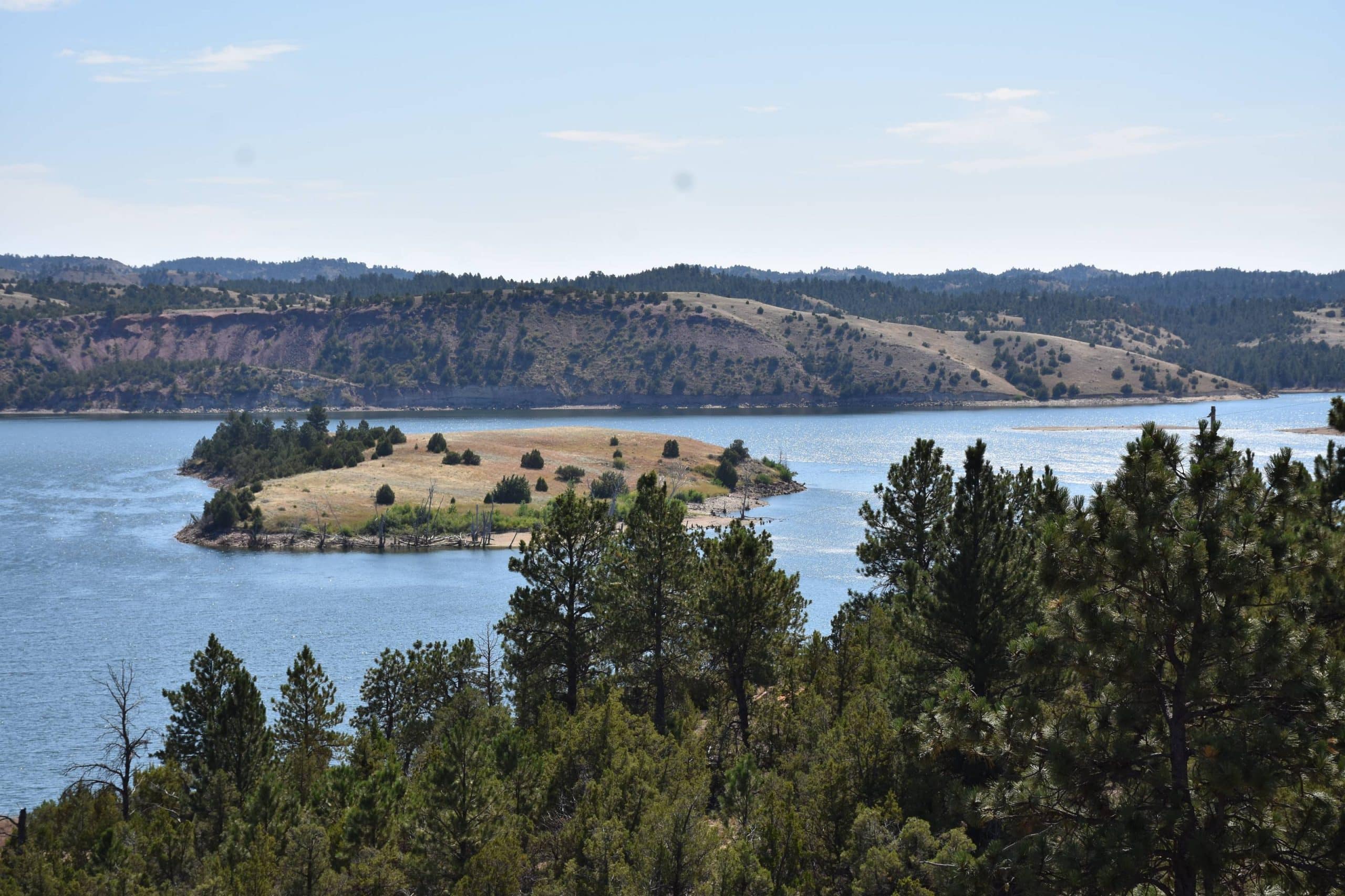
Tongue River Reservoir State Park
Tongue River Reservoir State Park features eye-catching red shale, vast water, juniper canyons, and shoreline scenery. Set along the 12-mile Tongue River Reservoir, the park draws anglers, boaters, kayakers, windsurfers, tubers, water skiers, and paddleboarders to enjoy the water and captivating surroundings. Numerous campgrounds provide an ideal base camp for multi-day stays. At the park, other activities to enjoy include birding, picnicking, photography, and wildlife viewing.

Pictograph Cave State Park
Pictograph Cave State Park protects one of Montana's key archaeological sites, where sandstone caves preserve evidence of human activity dating back thousands of years. Set just outside Billings, the park centers around the Pictograph, Middle, and Ghost caves, giving you the opportunity to view ancient rock paintings created by Indigenous peoples more than 2,000 years ago. Walk the relaxing ¾-mile loop trail to the caves, and be sure to bring your binoculars for the best view of the rock art.
Local Parks
Custer Park
Custer Park offers a welcoming green space that draws families, travelers, and locals throughout the warmer months. Mature trees provide shade, while lawns, playground areas, and picnic spaces create a relaxed setting for spending time outdoors beneath wide-open skies.
Wilson Park & Skate Park
Wilson Park brings together recreation, lawns, and gathering spaces. The park features playground equipment, horseshoe pits, picnic areas, and a skate park, creating an active setting for families, local events, and everyday outdoor time.
South Park & Splash Pad
South Park delivers a refreshing stop with a splash pad, picnic tables, cornhole boards, volleyball, horseshoe pits, and playground equipment. Stretch out, unwind, and enjoy an easy afternoon outdoors.
Heimat Park
Heimat Park provides a peaceful place to pause between adventures in Montana's Big Horn Country. Soft lawns make the park well-suited for picnics, short walks, or slower moments outdoors. Have a picnic or BBQ while your little ones use the playground.


Living Cultures & Tribal Lands
Crow Tribe
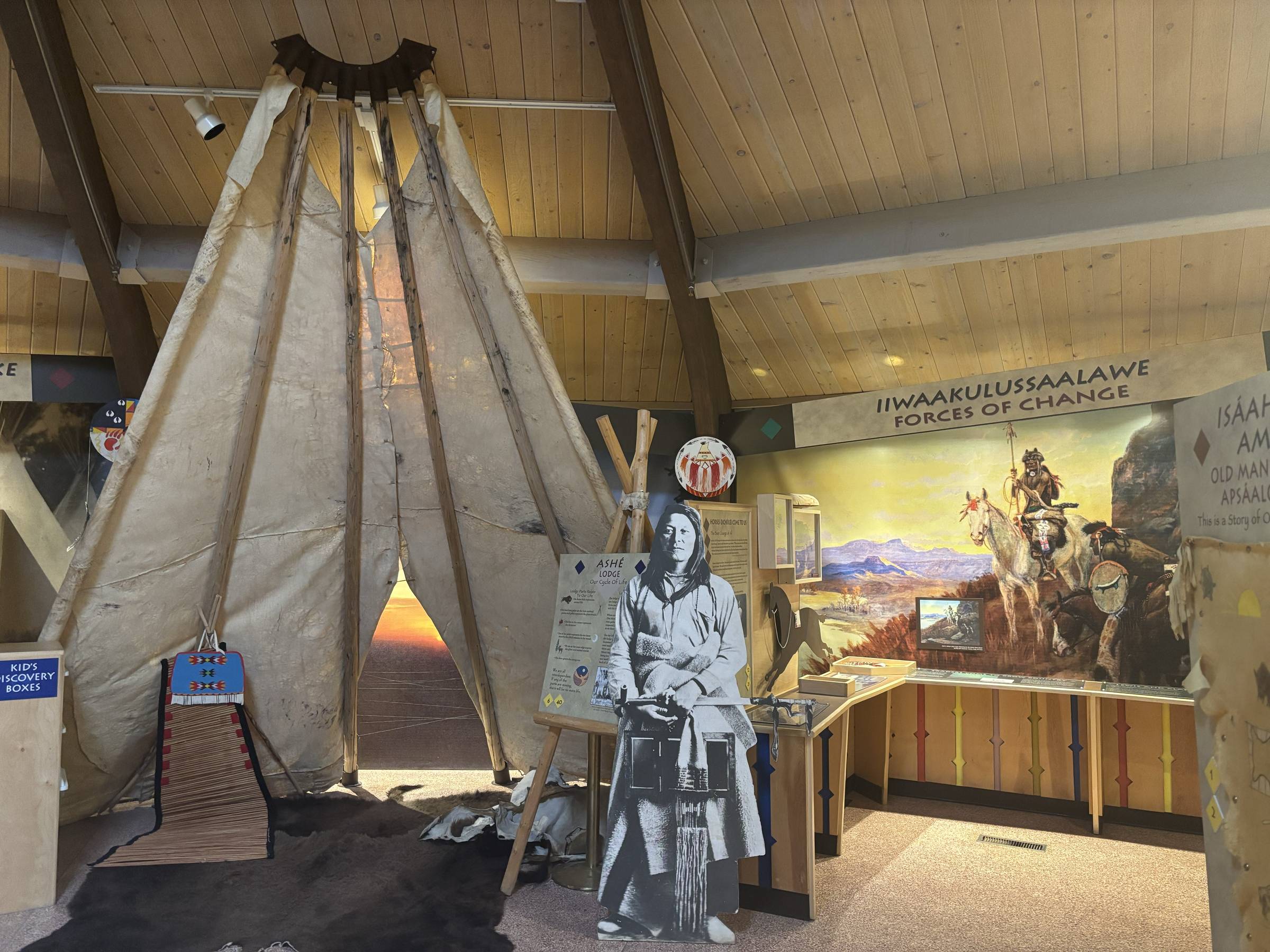
The Crow, or Apsáalooke, have called this region home for many centuries, building a culture deeply connected to the plains and river valleys of what is now southern Montana. The Crow Reservation stretches over a vast portion of Montana's Big Horn Country near Hardin, where Crow language, cultural traditions, and community gatherings continue to play an important role in community life.
Visitors are welcome to explore many parts of Crow Country through guided experiences, historical sites, and events.
Visitors are welcome to explore many parts of Crow Country through guided experiences, historical sites, and events.
Northern Cheyenne Tribe
This is a place for discovery, filled with heart and respect, where you can trace ancient paths, stalk trout in the world-renowned Bighorn River, hunt through rugged canyons and sprawling country, or stand silent at iconic historical sites such as the Little Bighorn Battlefield.
Here, one feels the legacy of the Crow and Northern Cheyenne Tribes, ranchers, farmers, and land stewards, all while engaging new seasons of connection, renewal, and outdoor adventure.
Here, one feels the legacy of the Crow and Northern Cheyenne Tribes, ranchers, farmers, and land stewards, all while engaging new seasons of connection, renewal, and outdoor adventure.
Big Horn County Audio Tour
Embed code here
Big Horn County Passport
Embed code here
Where to eat
where to stay
Camping

Cosmology and Theoretical Physics
Delve into the mysteries of the universe with a focus on cosmology and theoretical physics. Explore concepts such as the Big Bang theory, dark matter, dark energy, and the expanding universe. Dive into the realm of theoretical physics, where scientists unravel the nature of space, time, and the fundamental forces that govern the cosmos. Discover the mind-bending theories that shape our understanding of the universe's structure and evolution.
Tab Content
This is a basic text element.